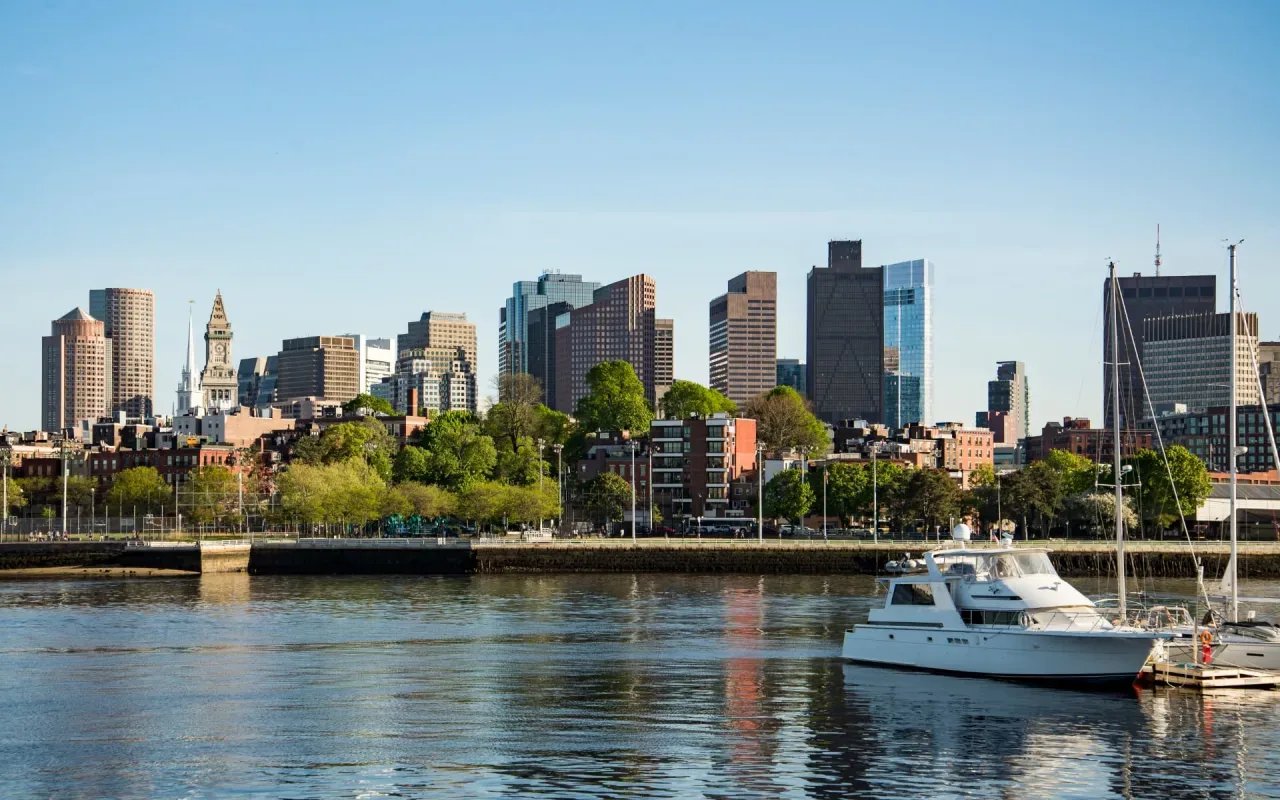
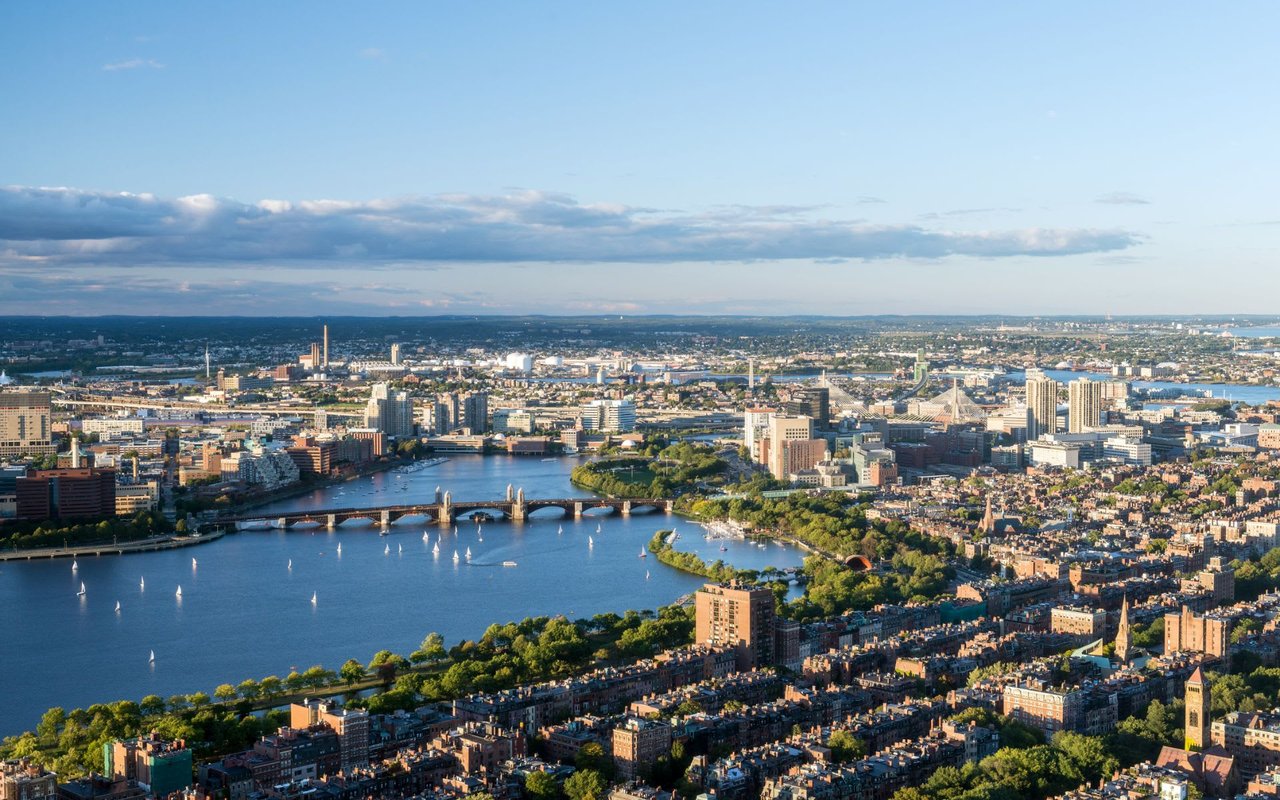
Fenway is home to Fenway Park, the Back Bay Fens, the Fenway Victory Gardens, and the Isabella Stewart Gardner Museum, which opened in 1903.
Owning here comes with a rule you will notice on event days: a limited number of on-street spaces are reserved for residents. This page covers what the neighborhood offers, the types of homes in our Fenway search, and how resident parking works, so you can decide whether Fenway fits before you start touring.
The Fens was established in 1879 from a design by Frederick Law Olmsted, and it is part of the Emerald Necklace park system. It holds community gardens, the Kelleher Rose Garden, a memorial to World War II, Korean, and Vietnam War veterans, and ball fields.
Founded in 1942, the Victory Gardens has over 500 gardens across 7.5 acres. It is one of two remaining continuously operating World War II Victory Gardens in the United States, and the only one still in its original wartime location.
Fenway Park opened on April 20, 1912, when the Red Sox beat the New York Highlanders 7–6 in 11 innings. It is home to the Red Sox and the oldest stadium in Major League Baseball.
The museum opened on February 23, 1903, in Boston's Fenway neighborhood.
If you're buying a condo, our 9 condo upgrade ideas cover what to consider once you own.
When there is a Red Sox game or any other event at Fenway Park, limited on-street spaces in Fenway/Kenmore are reserved for neighborhood residents. Vehicles parked in those designated spaces illegally are subject to a $100 fine.
Each resident-only parking sign shows the neighborhood across the top, and a vehicle must hold a valid permit for that neighborhood. Check the City’s current notices for event-day details before you buy or rent out a home here.
The questions below cover permits, the parks, and the history behind the sights.
Resident parking restrictions apply to all vehicles not registered in the neighborhood. A vehicle registered to an address outside the neighborhood does not qualify, and new college students face the same requirements as new residents. Permits are free.
Olmsted’s plan addressed growing sewage outfalls from the expanding city and provided a flood retention area, a wetland able to absorb flood waters. After the Charles River was dammed in 1910, the water changed from brackish to fresh, and the Fens was redesigned with Arthur Shurcliff, who added the Kelleher Rose Garden.
Yes. The Fens is part of the Emerald Necklace, as is the Fenway Victory Gardens. The Emerald Necklace Conservancy focuses on six parks designed by Olmsted.
The gardens’ website has a Visit page and welcomes volunteer groups who want to learn the history and help with garden work. It does not list hours or access rules, so contact the gardens before you go.
On April 20, 1912, the Red Sox played the New York Highlanders in the park’s first regular season game and won 7–6 after 11 innings. The crowd topped 27,000.
Tell us what you're looking for and we'll show you what's available and how event-day parking works for the home you want. If you're selling, we'll tell you what your home is worth.
Contact Our TeamWhat's My Home Worth?
You can also browse off-market opportunities and our exclusive listings.
Are you ready for high level and unprecedented service, the kind you may have never experienced before? Let’s meet.
We can’t wait to get started.