If you're researching why Back Bay MA is Boston's most walkable neighborhood, the short answer is infrastructure: a Walk Score of 99 out of 100, a rare grid-style street layout, four MBTA lines within the neighborhood, and nearly every daily need — groceries, restaurants, parks, cultural institutions — reachable on foot. Back Bay is one of only a handful of Boston neighborhoods where car-free living isn't just possible; it's genuinely practical. Its wide, tree-lined streets, well-maintained sidewalks, and density of amenities create a pedestrian experience that few urban neighborhoods in New England can match. This guide explores the specific features that set Back Bay apart, plus what buyers should know about living here today.
Rich History Meets Modern Convenience
Back Bay is a neighborhood where history and modernity intersect seamlessly. Originally a tidal bay filled in during the 19th century, it has transformed into a bustling residential and commercial hub. Its Victorian brownstones stand as a testament to the city's rich architectural heritage, while trendy boutiques and modern eateries keep the area fresh and exciting for locals and visitors alike.
A Pedestrian-Friendly Layout
One of the defining characteristics of Back Bay is its grid-style street layout, which is rare in older Boston neighborhoods. Streets are wide, flat, and easy to navigate, making it perfect for walking. This organized design not only makes it easy to get around but also offers clear sightlines to the neighborhood's many attractions, from historic landmarks to riverside parks.
Endless Shopping and Dining Options
From high-end boutiques on Newbury Street to well-loved eateries on Boylston Street, Back Bay is a paradise for those who love to shop and dine. Newbury Street, often referred to as Boston's "Rodeo Drive," offers a walkable stretch of shops and cafés perfect for leisurely strolls. After shopping, visitors can enjoy everything from upscale dining experiences to cozy neighborhood coffee shops—all just a short walk apart.
Proximity to Public Transit
Back Bay's central location ensures residents and visitors are well-connected to the rest of Boston. The neighborhood is served by several MBTA subway and bus lines, including the Green and Orange Lines, making it easy to travel car-free. This accessibility enhances the area's walkability, as most daily errands and commutes can be completed without the need for a vehicle.
Green Spaces and Outdoor Activities
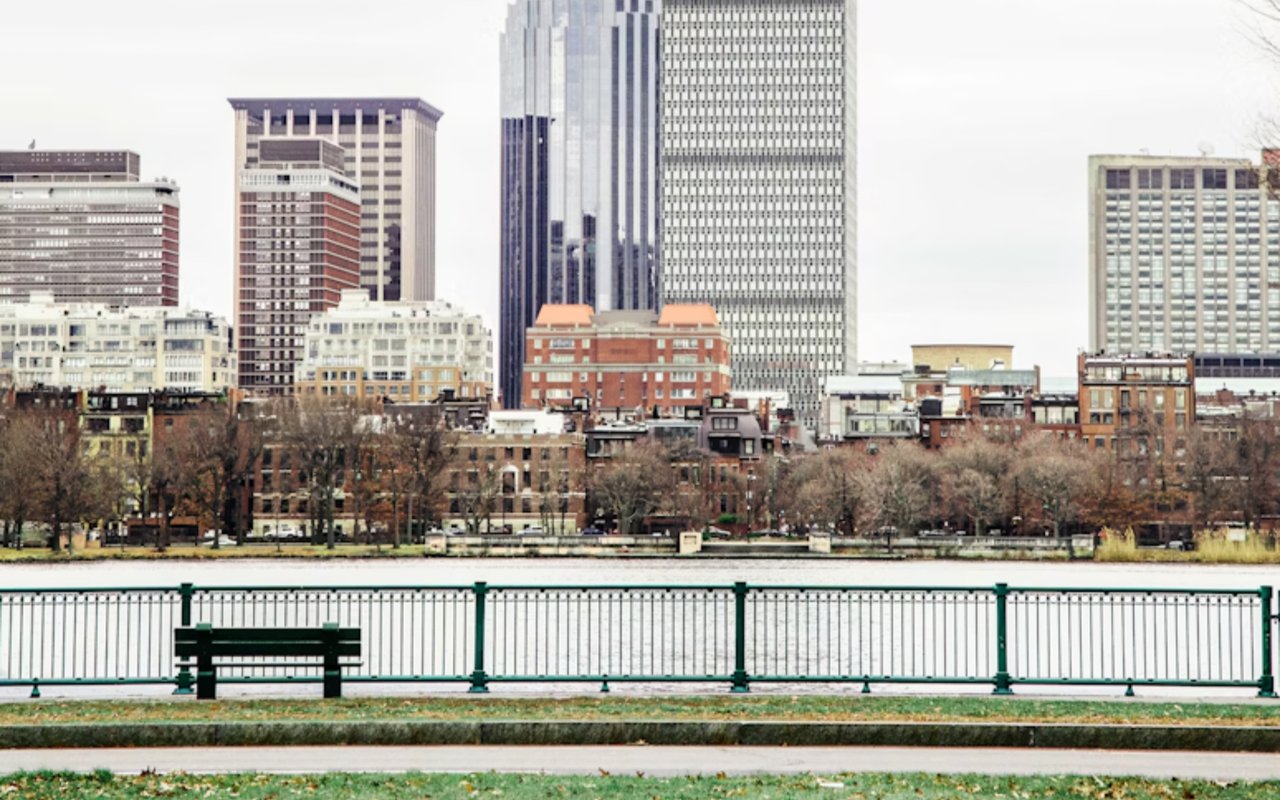
For those who enjoy the outdoors, Back Bay offers access to some of Boston's most scenic green spaces. The Charles River Esplanade is just steps away, perfect for running, cycling, or simply enjoying a peaceful walk along the water. Copley Square and the Commonwealth Avenue Mall add lush, tree-filled spaces within the neighborhood, providing quiet escapes amid the urban energy.
A Cultural and Architectural Haven
Walking through Back Bay feels like strolling through a living museum. The neighborhood is home to iconic landmarks such as the Boston Public Library, Trinity Church, and the historic brownstone-lined streets that have been preserved for generations. Art lovers will appreciate nearby galleries and cultural centers, while architecture enthusiasts can admire the elegant mix of Gothic Revival, Victorian, and modern styles throughout the area.
A Neighborhood Built for Every Lifestyle
Whether you're a young professional, a family, or a retiree, Back Bay offers something for everyone. Its mix of residential charm and urban amenities means you can walk to your favorite grocery store, enjoy a morning run along the river, grab lunch with friends, and attend an evening event—all without leaving the neighborhood or relying on a car.
Walkability Enhances Quality of Life
Living in a walkable neighborhood like Back Bay has numerous benefits. It encourages a more active lifestyle, reduces reliance on vehicles, and fosters a strong sense of community. Daily interactions with neighbors and local shop owners create a warm, welcoming environment that enhances the overall quality of life for those who call Back Bay home.
Back Bay's Role in the Greater Boston Experience
Back Bay is more than just a neighborhood—it's a vital part of the Boston experience. Its central location connects residents to nearby neighborhoods such as Beacon Hill, the South End, and Fenway. This interconnectedness allows for easy exploration of the broader city, further cementing Back Bay's reputation as a convenient, walkable hub in Boston.
The Perfect Blend of Old and New
What makes Back Bay truly unique is its ability to balance its rich history with contemporary living. The neighborhood maintains its classic charm through meticulously preserved architecture while embracing modern trends with innovative restaurants, high-end retail, and cultural events that keep the area vibrant and relevant. This harmony makes walking through Back Bay a constantly rewarding experience.
The Heartbeat of Walkable Boston
Back Bay stands out as Boston's most walkable neighborhood because it seamlessly combines history, convenience, and culture. Whether it's the ease of strolling down Newbury Street, the beauty of the Charles River Esplanade, or the thrill of discovering new shops and restaurants, walking through Back Bay offers an unmatched urban experience. For anyone seeking the perfect mix of charm and accessibility, this neighborhood truly captures the essence of Boston living.
What Back Bay Buyers Should Know in 2025-2026
Back Bay has remained one of Boston's most consistently competitive real estate markets. Demand stays strong year-round, driven by the neighborhood's location, architectural character, and access to transit and amenities. Inventory is typically limited — especially for historic full-floor brownstone condominiums and single-family townhouses — which keeps the market active even as broader conditions shift.
Buyers in Back Bay are competing for properties that rarely come to market, particularly along Marlborough Street, Beacon Street, and the Commonwealth Avenue corridor. Pricing reflects the neighborhood's premium position within Boston: luxury condominiums at buildings like One Dalton set high-water marks, while historically converted brownstones offer a different but equally sought-after ownership experience.
Make Back Bay Your Home with MGS GROUP REAL ESTATE
For those looking to call Back Bay home, MGS GROUP REAL ESTATE is ready to help. Their team specializes in matching clients with properties that fit their lifestyle, whether it's a historic brownstone or a modern luxury condo. With unmatched local expertise and a passion for Boston's unique neighborhoods, they make the process seamless and rewarding. Start your journey with MGS GROUP REAL ESTATE today.
FAQs
What is Back Bay's Walk Score?
Back Bay holds a Walk Score of 99 out of 100 — classified as a 'Walker's Paradise' — meaning virtually all daily errands can be completed on foot. The score reflects the neighborhood's grid-style street layout, density of retail and dining along Newbury and Boylston Streets, MBTA connectivity, and proximity to green spaces like the Charles River Esplanade and Copley Square.
How does Back Bay compare to other Boston neighborhoods for pedestrian access?
Back Bay is consistently among Boston's top-scoring neighborhoods for pedestrian infrastructure, alongside Beacon Hill and the South End. What sets Back Bay apart is its flat, grid-plan streets — unusual in a city known for organic, irregular layouts — which make navigation particularly straightforward. The combination of wide sidewalks, direct transit access, and concentrated amenities gives it an edge in overall pedestrian convenience.